
Key Takeaways
- Public water in our region meets state and federal standards when it leaves the treatment plant.
- Most workplace risks come from the “last mile”: service lines, building plumbing and water equipment.
- Water sitting in quiet offices can pick up metals from pipes.
- Even reliable systems can be interrupted, as Richmond saw twice in 2025.
- Bottled water isn’t automatically cleaner than tap.
It’s one of the most common questions we hear from office managers across Northern Virginia, DC and Richmond: “Can everyone just drink from the tap?”
In most of our region, the water leaving the treatment plant is safe and closely regulated. But before it reaches your employees’ cups, it travels through miles of city mains, an underground service line and your building’s own plumbing. Whether tap water is safe at work depends on that whole journey, not just the plant.
Here’s what’s working well, where problems creep in, and what any workplace can do to keep its water fresh, healthy and pure.
The Good News: Our Local Utilities Do Serious Work
Our local utilities treat and test water constantly. Fairfax Water, which serves more than two million Northern Virginia residents, reported in its 2025 Annual Water Quality Report that it met or surpassed every state and federal regulation, based on close to 10,000 samples collected in a single year.
Every public water system publishes a report like this each year. If you’ve never read yours, it’s worth looking into.
What that report can’t tell you is what happens after the water leaves the utility’s pipes and enters yours.
Where Things Can Go Wrong: The Last Few Hundred Feet
Most water problems at work don’t start at the treatment plant. They start in the “last mile”: the service line into your building and the plumbing inside it, which is usually the property owner’s responsibility.
Old pipes. Lead usually gets into drinking water from service lines and older plumbing, not from the source. DC Water estimates there are roughly 42,000 lead service lines in the District. By early 2026 it had replaced more than 11,000, and fiscal 2025 replacements were up 43% over the year before. That’s real progress, but thousands of lead lines are still in the ground.
Quiet buildings. According to EPA guidance on low-use buildings, water that sits still loses its disinfectant, can grow bacteria such as Legionella, and can pick up metals like lead from pipes. With hybrid schedules, that first glass on Monday morning may have been sitting in the pipes since Thursday.
Neglected equipment. Ice machines, faucet filters and coolers that miss their service schedule can become part of the problem.
A Richmond Reminder
If you work in Richmond, you probably remember January 2025. A power failure at the city’s treatment plant triggered a boil water advisory from January 6 to 11, and about 230,000 residents went nearly a week without drinkable tap water. A Virginia Department of Health report later concluded the breakdown could have been avoided.
In May 2025, it happened again on a smaller scale. High turbidity in the James River clogged plant filters, and a boil water advisory covered neighborhoods including Scott’s Addition, the Fan, Carytown and parts of downtown until it was lifted on May 29. The city tracks its recovery work on its Water in Richmond page.
Richmond’s water is safe to drink today. The lesson is simply that even a well-regulated supply can be interrupted without warning, and the workplaces that coped best already had a plan for drinking water.
What About “Forever Chemicals”?
PFAS are man-made chemicals that break down very slowly. In 2024, the EPA set limits of 4 parts per trillion for two of them, PFOA and PFOS. In May 2026, the agency proposed keeping those limits while letting qualifying water systems request until April 2031 to comply.
Locally, Fairfax Water reported that its Potomac River supply meets the new standards, while water from its Occoquan Reservoir plant came in slightly above them. The utility is evaluating treatment upgrades ahead of the deadline.
Is Bottled Water the Answer?
For many offices, the go-to fix is a stack of five-gallon jugs. It seems like a safer option, but it isn’t automatically cleaner.
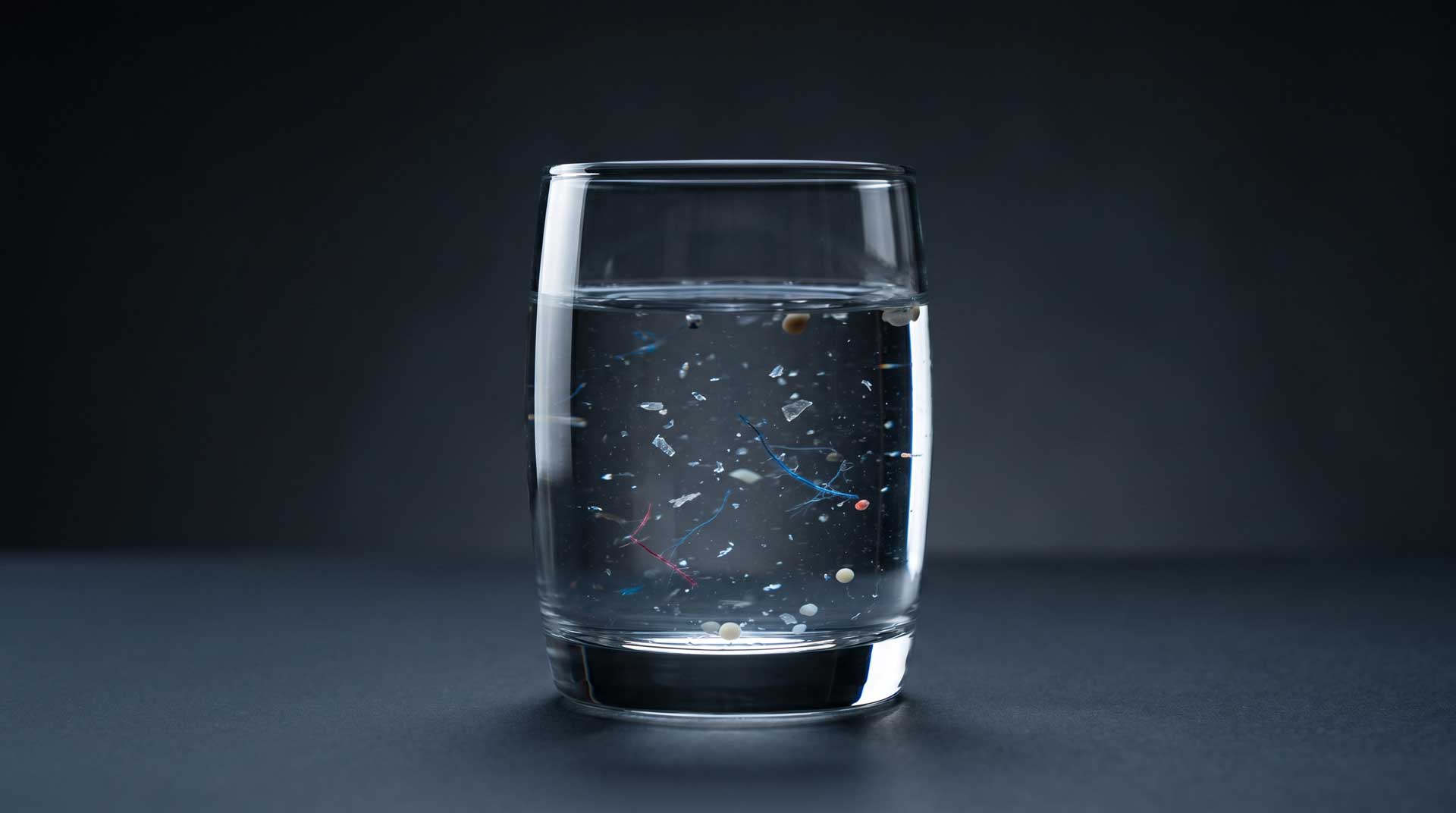
A 2024 Columbia University study found about 240,000 plastic particles per liter in bottled water from three popular U.S. brands, most of them nanoplastics. Scientists don’t yet know what that means for health, but several of the study’s authors said they’d cut back on bottled water.
Jugs also have to be delivered, stored and lifted by hand. And a cooler that isn’t cleaned regularly can grow bacteria no matter how clean the water was when it was bottled.
Six Simple Steps for Office Managers
A few practical steps can go a long way toward safer water at work:
- Read your utility’s water quality report. Fairfax Water’s is on its website, and every public system publishes one each year.
- Know your pipes. Ask your landlord or building engineer about the service line and plumbing. In DC, look up your address on the Lead Free DC dashboard.
- Flush after quiet stretches. Run taps and fountains after long weekends and holidays.
- Keep up with maintenance. Service ice machines, filters and coolers on schedule, and log it.
- Plan for boil advisories. Decide who alerts staff and where backup drinking water comes from.
- Check certifications. For treatment at the tap, look for systems independently certified by NSF or the Water Quality Association.
The Bottom Line
So, is tap water safe to drink at work? In most of Northern Virginia, DC and Richmond, the water leaving the treatment plant is safe and well monitored. The bigger variables are closer to home: your building’s pipes, how often water sits still, how well equipment is maintained, and whether you’re ready for the unexpected.
All of those are manageable, and the steps above are a solid start. For workplaces that want an extra layer of protection, point-of-use purification cleans water right where people drink it. That’s what our Pure Water bottleless systems do.
They connect to your existing water line and purify it on the spot with a multi-stage reverse osmosis process that reduces lead, arsenic, chlorine, dissolved metals and sediment. Models like the touchless PW90 also monitor water quality around the clock and clean themselves, with no jugs to haul.
If you’re curious what that would look like in your office, you can try a system free or give our team a call. We serve Virginia, Washington DC, Maryland and the Richmond area, and we can install systems nationwide. We’re always happy to talk it through, no strings attached.
Frequently Asked Questions
Does boiling water remove lead or PFAS?
No. Boiling kills bacteria and viruses, which is why it’s used during boil advisories, but it doesn’t remove lead or PFAS. Because some water evaporates, boiling can leave those contaminants slightly more concentrated. Chemical contaminants call for treatment certified to reduce them.
Are employers required to provide drinking water?
Yes. OSHA’s sanitation standard requires potable drinking water in all places of employment. Whether you provide it through a tap, fountain, cooler or dispenser is up to you, as long as it’s safe.
How can I tell if our office water has a problem?
Your senses catch some issues. Cloudiness, a rusty color, or a metallic or rotten-egg smell are all worth reporting to your building manager. But many contaminants, including lead, have no taste, smell or color. The only way to know for sure is to test, ideally through a state-certified laboratory.
About Pure Water Resources
Pure Water Resources provides bottleless drinking water systems for workplaces. Our water systems connect to your existing water line and purify on the spot with multi-stage reverse osmosis, so there are no jugs to deliver, store or lift. We also offer ice and coffee solutions. Headquartered in Dulles, Virginia, we serve more than 2,500 customers across Virginia, Washington DC, Maryland and the Richmond area, and we can install systems nationwide.