
Key Takeaways
- Reverse osmosis purifies water by pushing it through a membrane that blocks nearly everything dissolved in it.
- The CDC says RO removes bacteria, viruses, parasites, lead, copper, chromium, chloride and sodium.
- The EPA reports RO is typically more than 90% effective against a wide range of PFAS.
- Sodium from the Occoquan Reservoir has reached up to 44.2 mg/L in treated water, above EPA guidance for low-sodium diets. Carbon filters don’t remove it; RO does.
- Multi-stage RO also removes chlorine, so taste stays consistent through the DC area’s annual chlorine switch.
- Look for NSF/ANSI 58 certification, built-in monitoring and touchless, self-cleaning dispensing.
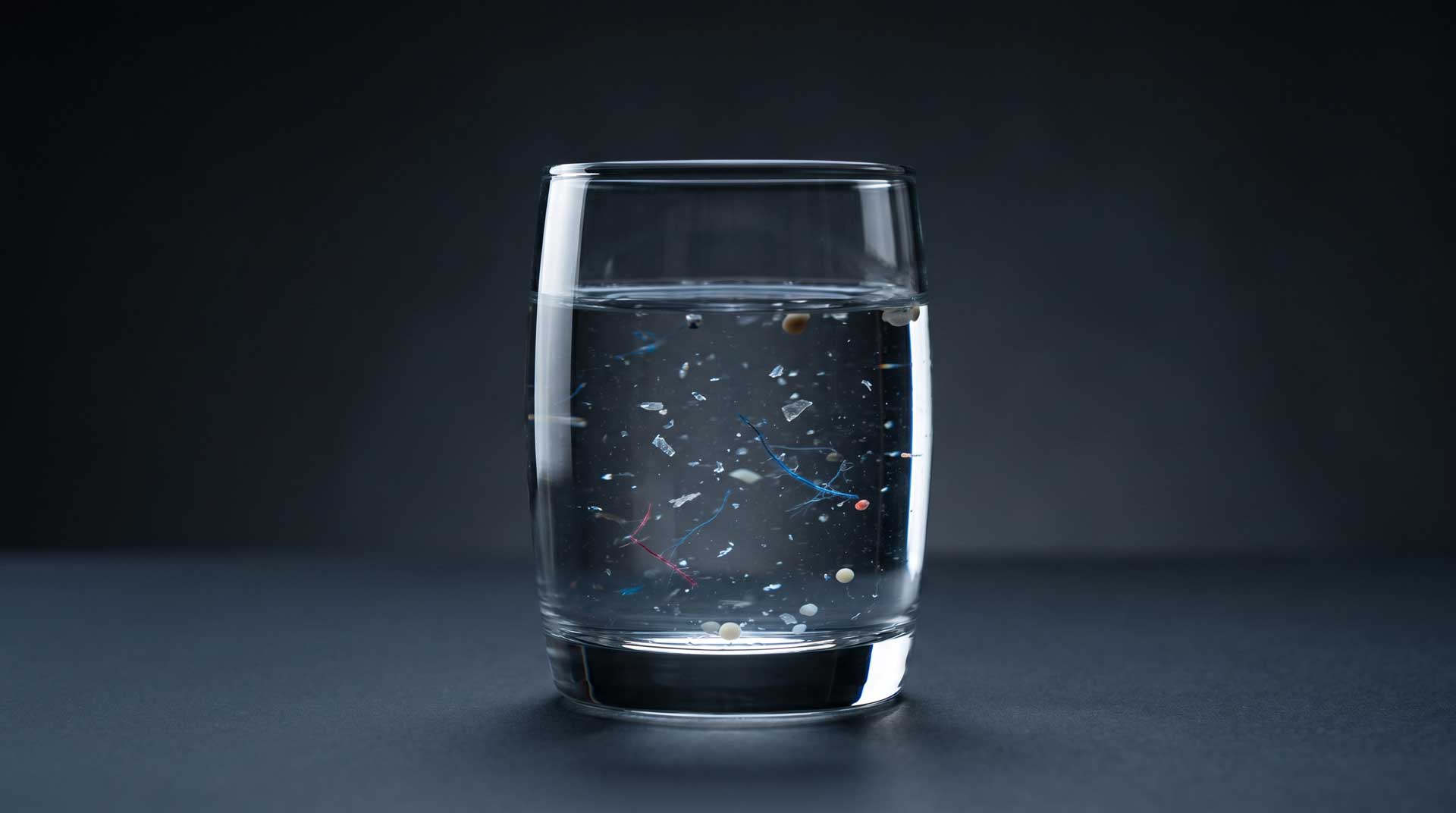
Reverse osmosis (RO) pushes water through a membrane so fine that almost nothing but water gets through. Dissolved salts, metals like lead and arsenic, most PFAS, bacteria and viruses are rejected and flushed down the drain. Paired with sediment and carbon stages, RO removes far more than a standard filter and delivers cleaner, better-tasting water right at the tap.
Filtering vs. Purifying
Most “filtered” water at work runs through carbon: a pitcher, a faucet attachment or a converted bottle cooler. Carbon does one job well. It grabs chlorine and some organic chemicals, which improves taste and smell. It does little against dissolved salts and metals, and once a cartridge is saturated, it stops working.
Reverse osmosis works on a different principle. It doesn’t just trap particles. It separates water from nearly everything dissolved in it. That’s the difference between filtering water and purifying it, and it’s why every Pure Water system is built around an RO membrane.
How Reverse Osmosis Works
Osmosis happens in nature all the time. For example, in plants, water in the soil moves through the thin outer layer of a root toward the inside, where the concentration of dissolved minerals and sugars is higher. Reverse osmosis flips that direction. Pressure from your water line forces water through a membrane, away from the contaminants and into the clean side. Water molecules pass through, leaving the contaminants behind.
The membrane does the heavy lifting. In our PW90, it’s rated at 0.0001 micron, thousands of times smaller than a typical bacterium. Water molecules pass through. Dissolved minerals, metals and microorganisms don’t.
Here’s the part most people miss: the rejected material doesn’t pile up inside the system. It’s carried away down a drain line. A carbon filter holds onto everything it catches until it’s full. An RO membrane rinses itself as it works, which keeps performance consistent between service visits.
What Reverse Osmosis Removes
According to the CDC, reverse osmosis reduces parasites, bacteria and viruses, along with chemicals including lead, copper, chromium, chloride and sodium. The EPA reports that high-pressure membranes like RO are typically more than 90% effective at removing a wide range of PFAS, including the harder-to-catch short-chain varieties.
In practical terms, RO reduces:
- Metals: lead, copper, chromium and arsenic
- Salts: sodium and chloride
- Microorganisms: bacteria, viruses and parasites such as Giardia
- “Forever chemicals”: PFAS, including PFOA and PFOS
- Total dissolved solids (TDS): the overall load of minerals and salts that affects taste
Carbon filters handle some of these, mainly chlorine and certain chemicals, but not the full range. Reverse osmosis covers far more, which is why we build every system around it: so your water is fresh, healthy and pure every time someone fills a glass.
A Northern Virginia Example: Salt in the Water Supply
One of the clearest cases for RO in our region has nothing to do with lead or bacteria. It’s salt.
The Occoquan Reservoir supplies 30–40% of Fairfax Water’s drinking water. Sodium levels there have been climbing for decades, driven by road salt, highly treated wastewater that flows back into the reservoir, and chemicals added during treatment. A 2026 study in Communications Earth & Environment found road de-icers push reservoir sodium up every winter, with measurable effects even in parts of the watershed with very little pavement.
The numbers show up at the tap. Fairfax Water’s latest annual report measured 12.9 to 44.2 milligrams of sodium per litre in finished water from its Occoquan plant, compared with 16 to 25 from its Potomac River plant. For context, the EPA advises that drinking water sodium stay under 20 mg/L for people on very low-sodium diets and says levels of 30 to 60 mg/L can affect taste for sensitive drinkers.
Sodium isn’t a regulated contaminant, and the water remains safe for most people. But for those watching their blood pressure or managing kidney or heart conditions, it matters. And salt is hard to remove. Conventional treatment plants aren’t built to strip it out, and carbon filters don’t touch it. Reverse osmosis does.
A DC-Area Example: The Spring Chlorine Switch
If your office is in DC, Arlington or parts of Fairfax County, you’ve probably noticed your water smelling like a swimming pool in the spring. That’s the Washington Aqueduct’s annual “chlorine burn.”
Each year the Aqueduct, which treats an average of 150 million gallons a day for DC Water, Arlington County and Fairfax Water, switches its disinfectant from chloramine to chlorine to scrub biofilm out of the pipes. In 2026 the switch ran from March 23 to May 4 across more than 1,300 miles of District water lines.
The water stays safe during the switch. It just doesn’t taste great, and when water tastes off, people drink less of it or reach for sugary drinks instead. The carbon stages in an RO system remove chlorine before water reaches the membrane, so the glass from your dispenser tastes the same in April as it does in October.
Why Purify at the Point of Use?
Your utility treats water to meet federal standards before it leaves the plant. Point-of-use purification adds a final barrier where it matters most: right before the cup.
That has three advantages for a workplace:
- It catches what the plant can’t control. Sodium from the watershed, seasonal taste changes, and anything picked up in your building’s plumbing are all handled at the dispenser.
- It’s consistent. Your water tastes the same regardless of the season, the reservoir or the age of your building.
- It’s fresh. There are no jugs sitting in a warehouse for weeks. Water is drawn from your line and purified on the spot. We call it “freshly squeezed.”
What to Look for in an RO System
Not all RO systems are built the same. Here’s what separates a workplace-grade system from a basic under-sink unit.
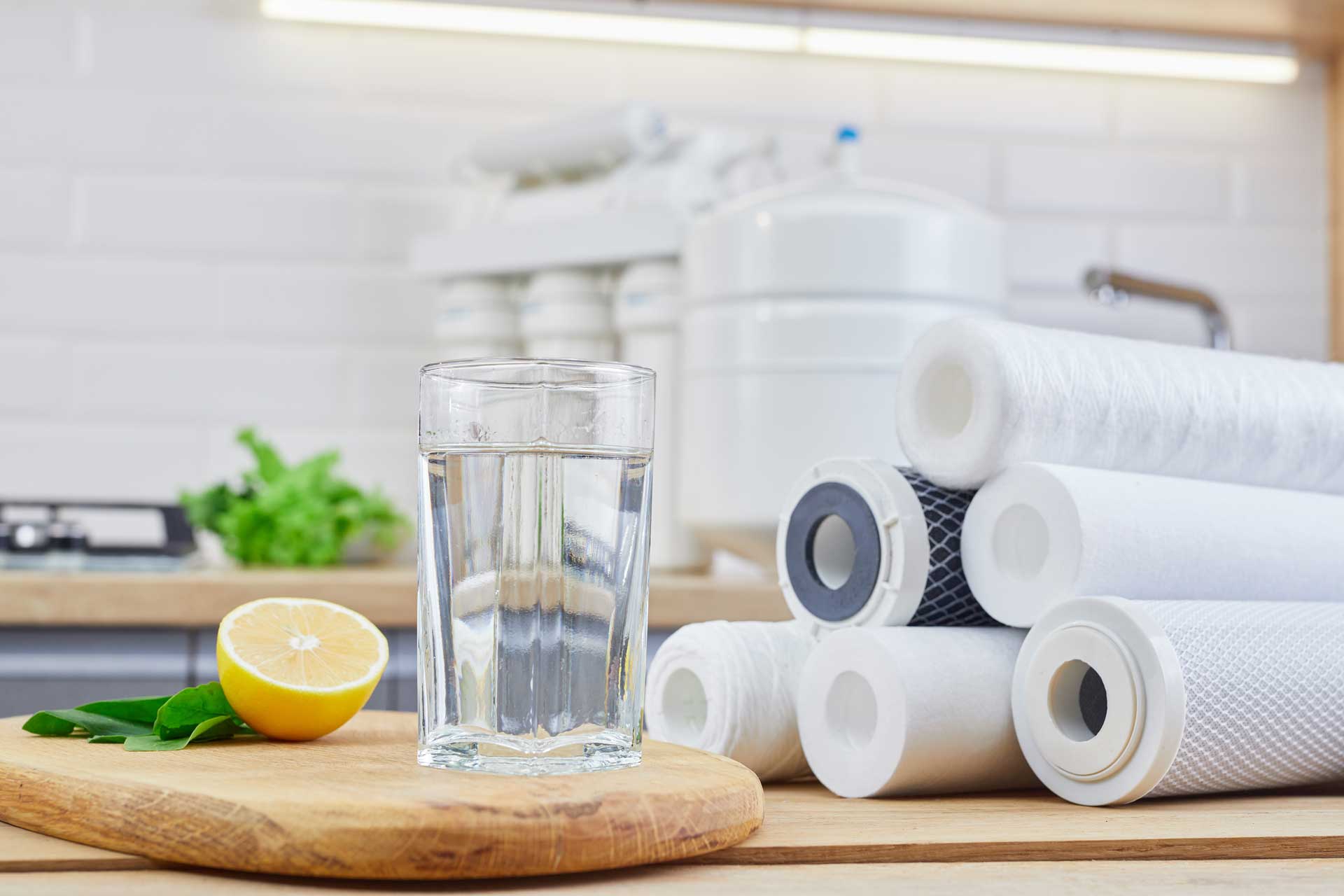
Multiple stages. The membrane works best when it’s protected. Our PW90 runs water through six stages: a sediment filter for dirt, rust and silt; a carbon block for chlorine, lead and chemicals; the 0.0001-micron RO membrane for dissolved metals, arsenic and TDS; a granular activated carbon filter to polish taste; an optional Boost™ filter that adds back alkalinity, minerals and electrolytes; and activated oxygen to keep tanks and lines clean.
Genuine certifications. Look for NSF/ANSI 58, the standard for reverse osmosis systems, along with 42 for taste and odor and 53 for health-related contaminants. You can see ours on our certifications page.
Built-in monitoring. A membrane you can’t see is only as good as your ability to tell when it needs service. Our systems use a microprocessor that tracks filter performance and water quality 24/7 and alerts you when it’s time for a service call.
Hygiene at the tap. Clean water can be recontaminated by the dispenser itself. Touchless sensor dispensing, antimicrobial surfaces and self-cleaning tanks close that gap.
The Bottom Line
Reverse osmosis improves drinking water quality by doing what ordinary filters can’t: separating water from the salts, metals, microorganisms and chemicals dissolved in it. In Northern Virginia and DC, that means lower sodium from the Occoquan, no chlorine taste during the spring switch, and an extra layer of protection against lead and PFAS.
That’s what our Pure Water bottleless systems are built to do. They connect to your existing water line, purify on the spot and never need a jug delivery. If you’d like to taste the difference in your own office, try a system free or give our team a call. We serve Virginia, Washington DC, Maryland and the Richmond area, and we can install systems nationwide.
Frequently Asked Questions
Does reverse osmosis remove healthy minerals?
Yes, RO removes minerals like calcium and magnesium along with contaminants. Most people get the bulk of their minerals from food, not water. If you prefer mineralized water, our optional Boost™ filter adds alkalinity, minerals and electrolytes back after purification.
Does reverse osmosis make water taste better?
In most cases, yes. The off-tastes people notice in tap water usually come from chlorine and dissolved salts and minerals. In a multi-stage RO system, carbon removes the chlorine, the membrane reduces dissolved solids and salts, and a final carbon stage polishes the taste. Our dispensers also provide near-boiling water, so the same purified water goes into your team’s coffee and tea.
How do I know my RO system is still working?
A well-designed system tells you. Our dispensers monitor filter performance and water quality around the clock and show real-time status on the display. If anything needs attention, a service light comes on, and our team takes it from there. With basic RO units that don’t monitor themselves, the only way to know is to test the water.
About Pure Water Resources
Pure Water Resources provides bottleless drinking water systems for workplaces. Our water systems connect to your existing water line and purify on the spot with multi-stage reverse osmosis, so there are no jugs to deliver, store or lift. We also offer ice and coffee solutions. Headquartered in Dulles, Virginia, we serve more than 2,500 customers across Virginia, Washington DC, Maryland and the Richmond area, and we can install systems nationwide.